
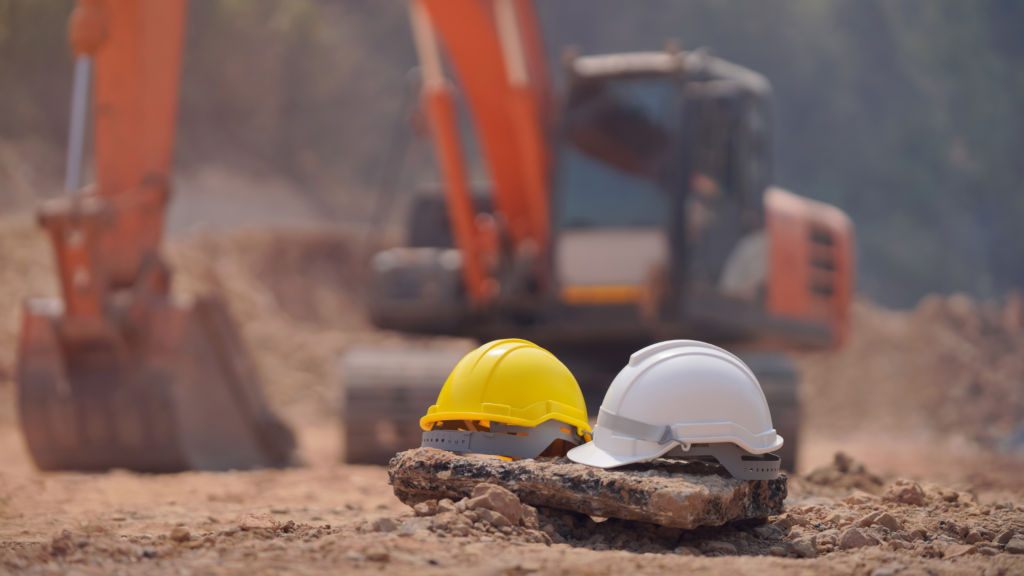
Construction zones are everywhere, especially across California. From sidewalk repairs to major commercial developments, these sites are part of everyday life. But what many people don’t realize is this:
You don’t have to be a construction worker to be seriously injured by construction negligence.
If you were simply walking by, driving past, or living nearby and got hurt because of unsafe conditions, you may have a valid personal injury claim.
This blog breaks down everything you need to know: your rights, who may be responsible, and what steps to take if you’ve been injured near a construction site.
Why Construction Sites Are So Dangerous (Even for Bystanders)
Construction is one of the most dangerous industries in the United States.
- Over 1,000 construction workers die annually, making it one of the deadliest professions
- Construction accounts for nearly 20% of all workplace fatalities
- In 2023 alone, there were 5,283 fatal work injuries across all industries
But here’s the key point:
These dangers don’t stay confined to workers, they extend to the public.
Real Risk to Pedestrians and Passersby
- In work zones, 176 pedestrians were killed in 2023
- Pedestrians make up about 20% of all work zone fatalities
- “Struck-by” incidents caused approximately 14,000 nonfatal injuries in construction in a single year
These numbers show a harsh reality:
Construction site hazards frequently impact innocent bystanders, not just workers.
Common Ways Bystanders Get Injured Near Construction Sites
If you were injured near a construction zone, chances are it falls into one of these categories:
1. Falling Debris
Tools, materials, or debris falling from scaffolding or rooftops can cause severe injuries. These incidents are common and often preventable with proper safety measures.
2. Unsafe Sidewalks or Walkways
Construction often blocks or reroutes pedestrian paths. When this is done improperly, people can trip, fall, or be forced into unsafe areas.
3. Vehicle and Equipment Accidents
Heavy machinery, trucks, and construction vehicles pose serious risks.
Pedestrian-vehicle incidents alone caused hundreds of deaths and thousands of injuries in recent data.
4. Lack of Proper Barriers or Warning Signs
Construction zones should clearly warn the public of hazards. When they don’t, injuries happen.
5. Electrical or Structural Hazards
Exposed wiring, unstable structures, or collapsing materials can affect anyone nearby—not just workers.
Do You Have a Case as a Bystander?
The short answer: Yes, you may absolutely have a case.
Construction companies, contractors, and property owners have a legal duty of care to protect the public, not just their workers.
If they fail to maintain a safe environment, they can be held liable.
Key Legal Principle: Negligence
To have a valid claim, you generally need to show:
- A party owed you a duty of care
- They breached that duty (acted negligently)
- Their negligence caused your injury
- You suffered damages (medical bills, lost income, pain, etc.)
Who Can Be Held Liable?
One of the most important aspects of these cases is identifying who is responsible.
Unlike a typical accident, construction site claims often involve multiple parties:
1. General Contractors
They oversee the entire project and are responsible for overall safety.
2. Subcontractors
Different teams handle different tasks: electrical, framing, roofing, and more. If one of them caused the hazard, they may be liable.
3. Property Owners
In some cases, the property owner may share responsibility, especially if they knew about unsafe conditions.
4. Equipment Operators or Companies
If heavy machinery caused the injury, the operator or employer may be responsible.
5. Third Parties
This can include delivery companies, utility providers, or other vendors working on-site.
This is why these cases can become complex quickly and why legal guidance matters.
Real-World Example Scenarios
To better understand how these cases work, here are a few common real-life situations:
Scenario 1: Falling Object Injury
You’re walking past a building under construction when a tool falls from above and hits you.
Likely claim: negligence due to failure to secure equipment
Scenario 2: Sidewalk Hazard
A construction company blocks a sidewalk without proper signage, forcing you into the street where you’re hit by a vehicle.
Likely claim: unsafe site management and failure to provide safe pedestrian access
Scenario 3: Work Zone Vehicle Accident
You’re driving through a construction zone when a construction vehicle backs into your car.
Likely claim: negligent operation of equipment
Scenario 4: Trip and Fall
Loose debris or uneven surfaces near a construction site cause you to trip and suffer injuries.
Likely claim: premises liability and negligence
What Makes These Cases Strong?
Not every injury automatically leads to a successful claim, but strong cases often involve:
- Lack of warning signs
- Missing safety barriers
- OSHA safety violations
- Poor site management
- Witnesses or video footage
- Clear evidence of negligence
The stronger the evidence, the stronger your case.
What Compensation Can You Recover?
If your case is successful, you may be entitled to compensation for:
Economic Damages
- Medical bills (past and future)
- Lost wages
- Loss of earning capacity
Non-Economic Damages
- Pain and suffering
- Emotional distress
- Loss of enjoyment of life
In Severe Cases
- Long-term disability
- Permanent injury
- Wrongful death (for surviving family members)
What to Do After a Construction Site Injury
If you were injured as a bystander, what you do next matters.
1. Seek Medical Attention Immediately
Even if injuries seem minor, documentation is critical.
2. Document the Scene
Take photos or videos of the construction site, lack of signage or barriers, and any hazards.
3. Get Witness Information
If anyone saw what happened, their testimony can help.
4. Avoid Speaking to Insurance Companies Alone
They may try to minimize your claim.
5. Contact a Personal Injury Attorney
Construction-related cases often involve multiple parties and complex liability issues.
Why These Cases Are Often Undervalued
Insurance companies frequently try to downplay these claims by arguing:
- You were not paying attention
- The danger was obvious
- The injury was not serious
However, construction companies are held to strict safety standards because of how dangerous these environments are. When they cut corners, the public is put at risk.
The Bigger Picture: Why Accountability Matters
Construction companies are required to follow strict safety regulations for a reason.
Vehicles and equipment are involved in a significant percentage of construction-related fatalities, and being struck by objects or equipment remains one of the leading causes of injury.
When safety protocols are ignored, the risk does not just affect workers, it puts everyone nearby in danger.
Holding negligent parties accountable does not just help you recover, it helps prevent future injuries.
Do You Have a Case?
If you were injured near a construction site as a pedestrian, driver, or passerby, here’s what you should remember:
- You do not need to be a worker to file a claim
- Construction companies owe a duty of care to the public
- Multiple parties may be responsible
- You may be entitled to significant compensation
Contact Malk & Pogo Law Group Today
If you or a loved one has been injured near a construction site, do not wait.
These cases can become complicated quickly, and the sooner you act, the stronger your claim can be.
At Malk & Pogo Law Group, we understand how to investigate construction negligence cases, identify all liable parties, and fight for the compensation you deserve.
Contact us today for a consultation and let our team help you understand your rights and next steps.