

California SB 1050: What Businesses Need to Know About AI Disclosure in Advertising
California businesses using AI-generated people, voices, or digital spokespersons in advertising will soon face a new disclosure requirement. Under Senate Bill 1050, an advertisement that prominently features an AI-generated “synthetic performer” must clearly and conspicuously disclose that the performer is synthetic.

How Much Is My Personal Injury Case Worth in California?
Possibly, yes. Being paid a salary does not make you exempt from overtime in California. To be legally exempt, you must meet two separate requirements: a minimum salary of $70,304 per year as of January 1, 2026, and a duties test based on what you actually do all day.
Am I Owed Overtime If I’m Paid a Salary in California?
Possibly, yes. Being paid a salary does not make you exempt from overtime in California. To be legally exempt, you must meet two separate requirements: a minimum salary of $70,304 per year as of January 1, 2026, and a duties test based on what you actually do all day.

When a Pet Attack Becomes a Legal Matter
At Malk & Pogo, we regularly speak with people who waited too long, felt uncomfortable pursuing a claim, or believed common myths about dog bites that simply are not true. Understanding your rights after a pet attack is essential to protecting both your health and your future.

Understanding Traumatic Brain Injuries and Legal Options
Traumatic Brain Injury is one of the most misunderstood and most under-diagnosed consequences of car accidents. Many people walk away from a collision thinking they’re “fine,” only to notice days or weeks later that something isn’t right: headaches that won’t go away, memory lapses, mood changes, trouble concentrating, or unusual fatigue.

Injured on a Construction Site as a Bystander
You don’t have to be a construction worker to be seriously injured by construction negligence. If you were simply walking by, driving past, or living nearby and got hurt because of unsafe conditions, you may have a valid personal injury claim.

Can You Be Fired for What You Post Online?
In California, employees do have important protections for lawful off-duty conduct and certain types of speech. But employers also have the right to protect their business, reputation, and workplace environment.

Is That “Plant-Based” Label Actually Legit?
Walk through any grocery aisle or browse online, and you’ll see products proudly labeled “plant-based,” “eco-friendly,” “green,” “natural,” or “non-toxic.” These words create an immediate sense of trust. Consumers associate them with health, safety, and environmental responsibility.

TCPA Violations: When Robocalls Become Illegal
Unwanted robocalls and spam text messages have become a daily frustration for millions of Americans. From telemarketing calls trying to sell extended car warranties to automated messages promoting financial services or insurance, many consumers feel overwhelmed by the constant interruptions.

Recovering Fully for Your Property Damage
Property damage is not limited to fixing dents and replacing parts. In California, property damage can include the financial impact caused by not having your vehicle available and the loss in value your vehicle suffers after a crash.

What to Do After an Accident
This guide walks you through exactly what to do after an accident so you can protect yourself, preserve evidence, and avoid common mistakes that reduce the value of your claim.
Trivial Defect Defense in Dangerous Condition of Public Property Cases in California
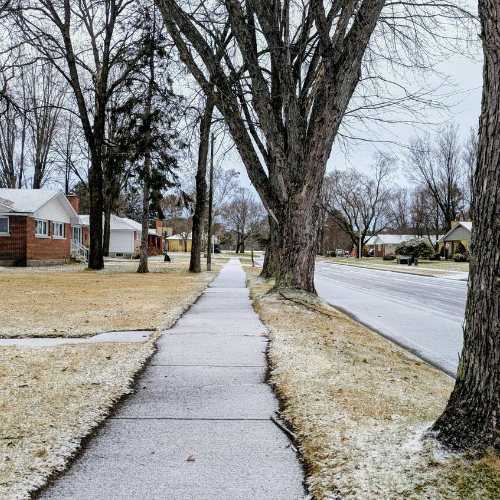
One of the most common defenses raised by cities, counties, and public agencies is called the “trivial defect defense.” This legal argument is frequently used to deny responsibility for injuries caused by uneven sidewalks, pavement height differences, cracks, and surface defects.

How Long Do You Have to File a Personal Injury Claim in California?
This article explains California’s personal injury filing deadlines, the most common exceptions, and why waiting too long can seriously hurt your case. At Malk & Pogo, we routinely evaluate cases where timing makes all the difference, and we help injured clients take action before their rights expire.

The Legal Risks of “Free Trial” Offers That Turn Into Paid Subscriptions
What many people don’t realize is that “free trial” offers are one of the most common sources of consumer complaints and legal disputes in California.

What to Do If Your Employer Retaliates After You Complain About Harassment or Discrimination
Retaliation is illegal in California. This article explains what retaliation is, how the law protects employees, what signs to look for, and what steps to take if your employer punishes you for reporting misconduct.

How New California Consumer Protection Laws Affect You in 2026
In this article, we’ll break down the most important consumer protections you need to understand in 2026, explain what they mean for you, and highlight how these changes defend your rights in the digital economy, from your personal data to how much you pay (or don’t pay) for services.

Fired After Medical Leave? Your FMLA & CFRA Rights
If you were fired, demoted, or punished after taking medical leave in California, the short answer is this: it may be illegal. Both the federal Family and Medical Leave Act (FMLA) and California’s California Family Rights Act (CFRA) protect eligible employees from being terminated or retaliated against for taking approved medical or family leave.

Is Bait-and-Switch Advertising Illegal in California?
Yes, bait-and-switch advertising is illegal in California. State law prohibits businesses from advertising products or services at appealing prices or terms to attract consumers, only to refuse to sell them as advertised and instead push more expensive or different alternatives. These practices violate California’s consumer protection laws and can result in serious legal consequences for businesses.

The California Government Claims Act
When someone is injured because of another person’s careless or negligent actions, they typically have the right to file a personal injury claim. However, when the wrongdoer is a government agency, public employee, or public institution, the process is not the same. Many people assume they can simply pursue compensation through a standard lawsuit, but California law imposes special rules and strict deadlines when the government is involved.

False Advertising vs Puffery
Companies compete for attention. They want to stand out, attract customers, and convince the public that their product or service is better than the rest. To do this, they use advertising—on billboards, social media, websites, product packaging, commercials, and everywhere else consumers look. Most people expect advertisements to be persuasive and even a bit exaggerated. But there is a legal and meaningful line between puffery, which is allowed, and false advertising, which is not.

Wrongful Termination in California
Losing a job is stressful enough on its own. But when the termination feels unfair, retaliatory, or discriminatory, it can leave you with far more than financial concerns. Many people wonder whether what happened to them was “just business” or if it crossed the legal line into wrongful termination. In California, employment laws offer strong protections—but they are often misunderstood. Some employees do not realize they had rights until long after they have been let go.

Understanding Prop 213 in California
One moment, you are driving as you normally do. The next, another driver runs a red light, crashes into your vehicle, and leaves you injured, overwhelmed, and facing medical bills and time away from work. When the accident is clearly not your fault, most people assume that the at-fault driver’s insurance will be responsible for compensating them for their injuries and losses.

Visual Misrepresentation in Advertising, How Images Mislead Consumers
We live in a highly visual world. Whether scrolling through social media, browsing online stores, or shopping in person, images are often the first thing we notice. Businesses understand this and invest heavily in creating appealing visuals to capture attention. Unfortunately, not all of these visuals are truthful.

Greenwashing and False Environmental Claims
Companies know that consumers are increasingly motivated to purchase products that claim to be sustainable, eco-friendly, carbon-neutral, or green. Unfortunately, not all of these claims are what they seem. When businesses exaggerate or fabricate their environmental benefits, they engage in a practice known as greenwashing.

Deceptive “Made in USA” Claims, What Consumers Need to Know
The phrase “Made in USA” carries a powerful meaning. For many consumers, it represents quality, safety, jobs, and a sense of pride in supporting American workers. Companies know this, which is why “Made in USA” and similar origin claims are frequently used in marketing and packaging. Unfortunately, not all of these claims are truthful.

The Hidden Truth About Citric Acid in “No Preservatives” Products
Grocery store shelves are lined with products proudly claiming “No Preservatives,” “No Artificial Preservatives,” and “No Artificial Flavors.” These phrases are designed to reassure shoppers that what they’re buying is wholesome, natural, and safe for themselves and their families. But are those claims always true?

Preservative-Free? The Hidden Truth Behind Misleading Food Labels
You’re walking through the grocery store, comparing two jars of pasta sauce. One proudly says “No Preservatives” in bold letters across the front. Instantly, it feels like the healthier, but is that label always telling you the truth?

Scarring and Lacerations After Accidents
Picture this: you’re going about your day when suddenly, your life gets upended. A fender‑bender on the freeway throws glass into your arm. Or maybe a misplaced step on the sidewalk sends you sprawling, causing a deep cut and a permanent reminder across your shin. Or perhaps a neighbor’s dog lunges unexpectedly—leaving you with punctures and jagged marks that won’t fade with time.

Is “All Natural” Really Natural in Food Labeling?
You’re strolling through the grocery aisles; the label screams “All Natural”, and something deep inside says, “This must be better for me.” But wait—what exactly does “all natural” mean? And does it even mean anything at all? In today’s world of clever marketing and fine-print disclaimers, the answer is far murkier than you might expect.

Do I Need a Lawyer for a Fender-Bender?
You’re driving home from work, stop at a light, and suddenly—without warning—another car hits you from behind. You step out, look at the vehicles, and see only a dented bumper or scratched paint. It feels like a small inconvenience. You might even think, This is just a fender-bender. Do I really need a lawyer for something so minor?

California’s Comparative Fault Law
Let’s say you’re involved in a car accident. The other driver was speeding, but you may have made an unsafe lane change. Or maybe you slipped and fell in a store, but weren’t looking where you were going. Does that mean you’re not entitled to compensation? Not in California.

Bicycle Accidents in Los Angeles
Los Angeles, with its sprawling urban landscape and year-round sunshine, offers an inviting environment for cyclists. From the scenic Marvin Braude Bike Trail to bustling city streets, biking is both a practical and recreational choice for many Angelenos. However, the city’s infrastructure and traffic conditions often pose significant risks to cyclists.

Top 5 Mistakes People Make After a Car Accident
A car accident can leave you shaken, injured, and unsure of what to do next. In those chaotic moments, even small mistakes can have serious legal and financial consequences — especially if you’re planning to file an insurance claim or lawsuit. If you’ve just been in an accident, avoid these top five mistakes to protect your health, your rights, and your future.

California’s 2025 Employment Law Changes
As California continues to lead in progressive labor legislation, 2025 brings a host of new laws that significantly impact both employers and employees. From expanded leave rights to stricter classifications for independent contractors, staying informed is crucial to ensure compliance and protect your rights.

In a Motorcycle Crash and Not Wearing a Helmet?
Riding a motorcycle without a helmet in California isn’t just illegal—it can also make or break your personal injury claim. If you’re injured in a crash and weren’t wearing a helmet, the insurance company will likely use it against you. But does that mean you lose your right to compensation? Not necessarily.

Unpaid Internships: Illegal Labor or Career Opportunity?
In an increasingly competitive job market, unpaid internships have become a rite of passage across industries like media, fashion, politics, entertainment, and tech. But behind the promise of “real-world experience” lies a complex legal question: Are these internships lawful—or just a way for companies to get free labor?

The Slack-Fill Scam
Ever opened a bag of chips and felt cheated by how much air was inside? That moment of disappointment is more than just a consumer gripe—it’s often the result of a packaging tactic known as slack-fill. While some slack-fill is legal, much of it walks a fine line between clever marketing and deceptive packaging.
The Hidden Dangers of Uneven Sidewalks
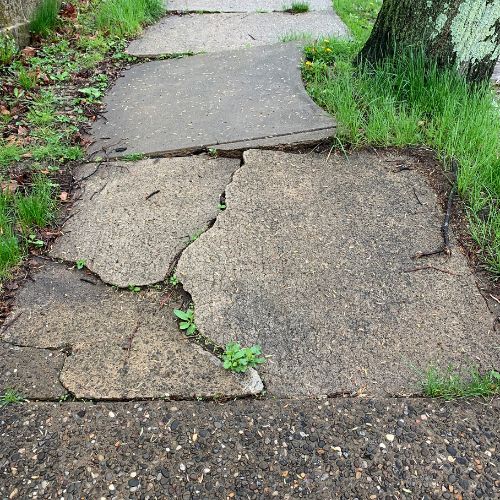
We walk on sidewalks every day, often without thinking twice. But when those walkways are uneven, cracked, lifted by tree roots, or crumbling due to poor maintenance, they become serious hazards. According to a study by the National Institute for Occupational Safety and Health, uneven walking surfaces are one of the leading contributors to pedestrian injuries.
TCPA Violations: When Robocalls Become Illegal
Unwanted robocalls and spam text messages have become a daily frustration for millions of Americans. From telemarketing calls trying to sell extended car warranties to automated messages promoting financial services or insurance, many consumers feel overwhelmed by the constant interruptions.
Is Bait-and-Switch Advertising Illegal in California?
Yes, bait-and-switch advertising is illegal in California. State law prohibits businesses from advertising products or services at appealing prices or terms to attract consumers, only to refuse to sell them as advertised and instead push more expensive or different alternatives. These practices violate California’s consumer protection laws and can result in serious legal consequences for businesses.
Fired After Medical Leave? Your FMLA & CFRA Rights
If you were fired, demoted, or punished after taking medical leave in California, the short answer is this: it may be illegal. Both the federal Family and Medical Leave Act (FMLA) and California’s California Family Rights Act (CFRA) protect eligible employees from being terminated or retaliated against for taking approved medical or family leave.
How New California Consumer Protection Laws Affect You in 2026
In this article, we’ll break down the most important consumer protections you need to understand in 2026, explain what they mean for you, and highlight how these changes defend your rights in the digital economy, from your personal data to how much you pay (or don’t pay) for services.
What to Do If Your Employer Retaliates After You Complain About Harassment or Discrimination
Retaliation is illegal in California. This article explains what retaliation is, how the law protects employees, what signs to look for, and what steps to take if your employer punishes you for reporting misconduct.
The Legal Risks of “Free Trial” Offers That Turn Into Paid Subscriptions
What many people don’t realize is that “free trial” offers are one of the most common sources of consumer complaints and legal disputes in California.
How Long Do You Have to File a Personal Injury Claim in California?
This article explains California’s personal injury filing deadlines, the most common exceptions, and why waiting too long can seriously hurt your case. At Malk & Pogo, we routinely evaluate cases where timing makes all the difference, and we help injured clients take action before their rights expire.
Trivial Defect Defense in Dangerous Condition of Public Property Cases in California
One of the most common defenses raised by cities, counties, and public agencies is called the “trivial defect defense.” This legal argument is frequently used to deny responsibility for injuries caused by uneven sidewalks, pavement height differences, cracks, and surface defects.
What to Do After an Accident
This guide walks you through exactly what to do after an accident so you can protect yourself, preserve evidence, and avoid common mistakes that reduce the value of your claim.
Recovering Fully for Your Property Damage
Property damage is not limited to fixing dents and replacing parts. In California, property damage can include the financial impact caused by not having your vehicle available and the loss in value your vehicle suffers after a crash.