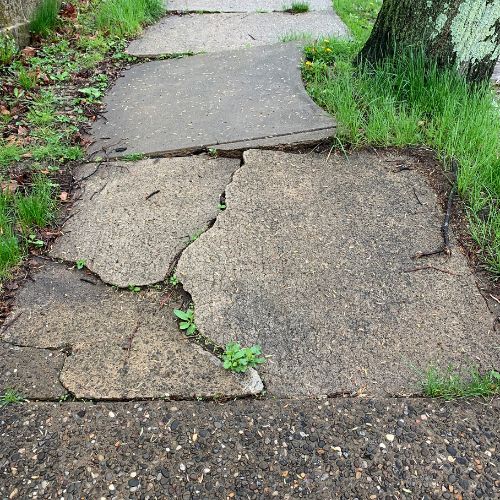
The Legal Implications of Sidewalk Hazards
When uneven sidewalks lead to injuries, victims may have the right to seek compensation. Understanding the legal implications is crucial for anyone who has suffered a fall or accident due to sidewalk hazards. In many cases, property owners or municipalities can be held liable for failing to maintain safe walkways, making it essential for victims to know their rights.
Legal cases involving sidewalk injuries often hinge on proving negligence. For instance, if a sidewalk has been reported as hazardous and no action was taken to repair it, the responsible party may be liable for damages. Documenting the incident, gathering witness statements, and consulting with a personal injury attorney can strengthen a victim's case.
Preventing Accidents on Uneven Sidewalks
Awareness and proactive measures can significantly reduce the risk of accidents caused by uneven sidewalks. Pedestrians should remain vigilant, especially in areas known for poor sidewalk conditions. Simple actions like watching where you step and using designated crosswalks can help mitigate risks.
Additionally, communities can play a vital role in preventing sidewalk-related accidents by conducting regular inspections and maintenance. Public awareness campaigns can educate residents about the dangers posed by uneven sidewalks and encourage reporting of hazardous conditions to local authorities.
What to Do If You’ve Been Injured
If you suffer an injury due to an uneven sidewalk, it is important to take immediate steps to protect your rights. First, seek medical attention for your injuries. Document the scene by taking photos of the sidewalk condition and noting any contributing factors, such as poor lighting or weather conditions.
Next, consider contacting a personal injury attorney who specializes in sidewalk hazard cases. They can provide guidance on how to navigate the legal process, including filing a claim and gathering necessary evidence to support your case. Timely action is crucial, as there are statutes of limitations that may affect your ability to seek compensation.
Understanding Your Rights as a Pedestrian
As a pedestrian, you have specific rights that protect you from unsafe conditions, including uneven sidewalks. Knowing these rights is essential for advocating for your safety and seeking justice if you are injured. Depending on local laws, pedestrians may have the right to sue for damages if they can prove negligence on the part of property owners or municipalities.
It's also important to be aware of local regulations regarding sidewalk maintenance. Some areas have ordinances requiring property owners to keep sidewalks in a safe condition. Understanding these laws can empower pedestrians to take action when they encounter hazardous conditions, ensuring that their rights are upheld.