1241 S Glendale Ave, Suite 204

False Advertising

False Advertising

False Advertising vs Puffery

Companies compete for attention. They want to stand out, attract customers, and convince the public that their product or service is better than the rest. To do this, they use advertising—on billboards, social media, websites, product packaging, commercials, and everywhere else consumers look. Most people expect advertisements to be persuasive and even a bit exaggerated. But there is a legal and meaningful line between puffery, which is allowed, and false advertising, which is not.

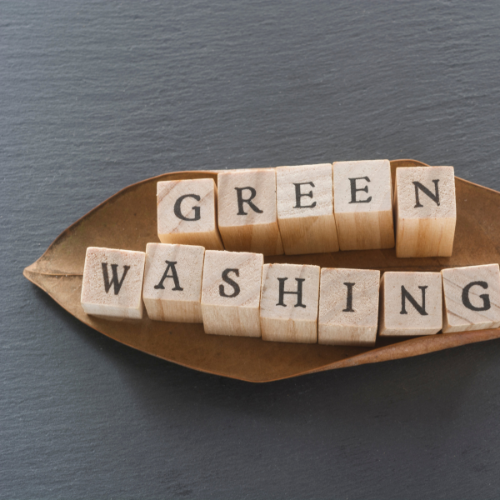
Greenwashing
False Advertising

Greenwashing and False Environmental Claims

Companies know that consumers are increasingly motivated to purchase products that claim to be sustainable, eco-friendly, carbon-neutral, or green. Unfortunately, not all of these claims are what they seem. When businesses exaggerate or fabricate their environmental benefits, they engage in a practice known as greenwashing.

False Advertising

Is “All Natural” Really Natural in Food Labeling?

You’re strolling through the grocery aisles; the label screams “All Natural”, and something deep inside says, “This must be better for me.” But wait—what exactly does “all natural” mean? And does it even mean anything at all? In today’s world of clever marketing and fine-print disclaimers, the answer is far murkier than you might expect.

Slack Fill
False Advertising

The Slack-Fill Scam

Ever opened a bag of chips and felt cheated by how much air was inside? That moment of disappointment is more than just a consumer gripe—it’s often the result of a packaging tactic known as slack-fill. While some slack-fill is legal, much of it walks a fine line between clever marketing and deceptive packaging.